Invasive Plants: What to Pull This Season (and What to Plant Instead)
As spring arrives in Kansas City, many homeowners are eager to refresh their landscapes with new plantings. However, identifying and eradicating invasive species that harm our local ecosystem is important to maintaining a healthy yard and garden. These aggressive plants outcompete native species, reduce biodiversity, and disrupt wildlife habitats.
This season, take a closer look at what’s growing in your yard and remove invasive species where possible. Here are five plants to watch out for and what to do about them:
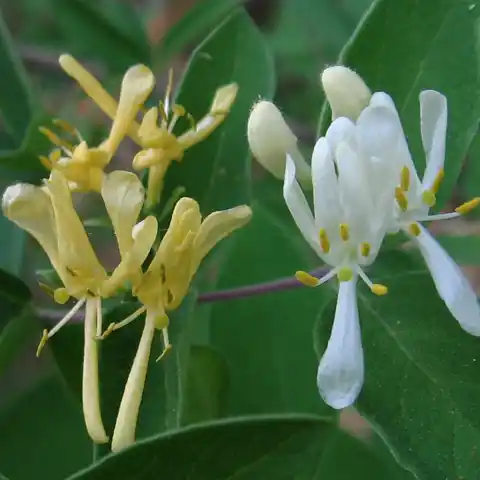
1. Bush Honeysuckle (Lonicera maackii & Lonicera tatarica)
Why it’s a problem: This fast-growing shrub forms dense thickets that crowd out native plants and trees. It also disrupts bird populations by tricking them into nesting too early when food sources are still scarce.
What to do: Cut and remove honeysuckle at the base, then treat the stump with an appropriate herbicide to prevent regrowth.
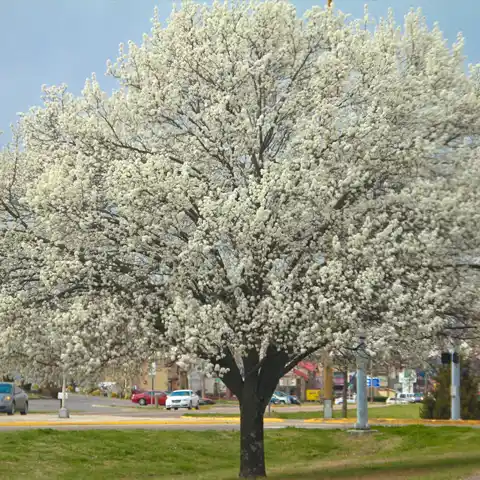
2. Bradford Pear (Pyrus calleryana)
Why it’s a problem: Once promoted as an ornamental tree, the Bradford Pear crossbreeds with other pears and produces thorny, aggressive offspring that invade natural areas. It also weakens soil quality and is highly prone to breaking in storms. They also smell terrible when they bloom. 🤢
What to do: If you have a Bradford Pear, consider removing it and replacing it with a native tree like serviceberry or dogwood.
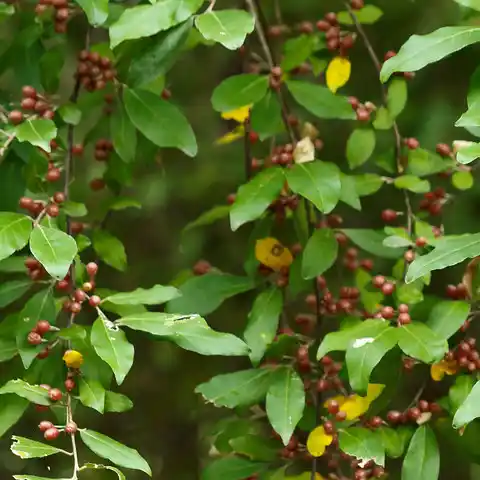
3. Autumn Olive (Elaeagnus umbellata)
Why it’s a problem: Originally planted for erosion control, this shrub spreads aggressively, displacing native vegetation and altering soil chemistry. Its seemingly harmless berries allow it to spread quickly.
What to do: Hand-pull small plants before they fruit. Larger shrubs should be cut at the base and treated with a stump killer herbicide to prevent regrowth (or dig them out if you’re feeling tenacious).
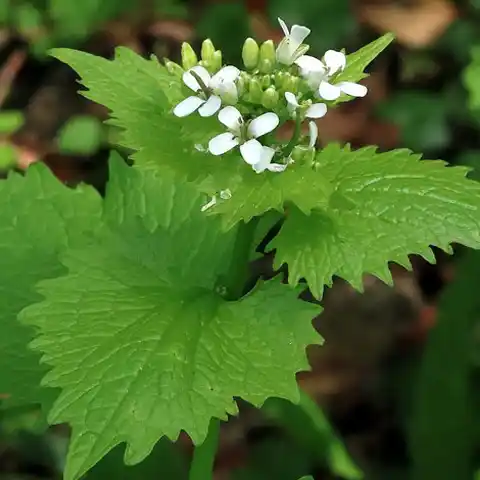
4. Garlic Mustard (Alliaria petiolata)
Why it’s a problem: This fast-spreading herb releases chemicals into the soil that prevent native plants from growing, making it one of the worst forest invaders.
What to do: Pull plants before they flower (April – May). Bag and dispose in the trash, do a controlled burn (where legal), or get some chickens to help (they won’t eat it all, but they’ll eat some!) — do not compost or take to the brush drop-off!
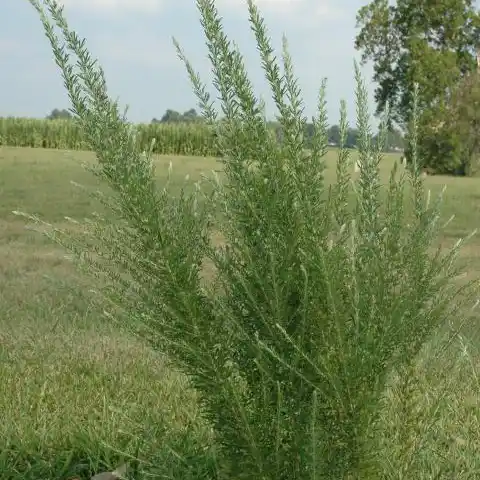
5. Sericea Lespedeza (Lespedeza cuneata)
Why it’s a problem: This invasive plant reduces the quality of grasslands and pastures by overpowering native grasses and being unpalatable to wildlife.
What to do: Pull when small or mow before it flowers (July–October) and apply targeted herbicide treatments in late summer or early fall.
Plant Native Instead!
The best way to combat invasive species is to plant native plants that support local wildlife, soil health, and pollinators. Some great native options for our area include:
- Serviceberry (Amelanchier Arborea): A small tree with white spring blooms and berries for birds
- Pawpaw (Asimina Triloba): A fruit-bearing tree that supports butterflies
- Wild Bergamot (Monarda Fistulosa): A colorful, fragrant plant that attracts pollinators
- Eastern Redbud (Cercis Canadensis): A stunning tree with early spring pink blooms
Not sure what plants are best for your yard? Check out Grow Native for local native plant sales where you can ask experienced growers and find resources to help you make eco-friendly landscaping choices.