It’s Pawpaw Season!
by Sonya Andrews
If you’ve ever walked a shady creek trail in late summer and spied what looks like small green mangoes hanging from gangly, tropical-looking understory trees, you’ve seen pawpaws!
The pawpaw (Asimina triloba) is Missouri’s very own native “tropical” fruit, now officially honored as the official state fruit tree (thanks to a 2019 law). But what exactly is a pawpaw?
Pawpaws are the largest native tree fruit in the U.S. The flesh is pale yellow and custardy, with a flavor people describe as banana-meets-mango with a hint of vanilla. Botanically, they’re members of the custard apple family (Annonaceae), making them relatives of tropical fruits like cherimoya and soursop, even though pawpaws thrive here in our temperate forests.
A little history
Indigenous peoples used and enjoyed pawpaws long before European settlers. In fact, the scientific name is Native American in origin (vs the more common Latin or Greek). The genus name Asimina traces back to an Algonquian/Powhatan word (assimin), which became asiminier among the French colonists and eventually Latinized to Asiminia.
But if the fruit’s scientific name comes from the Native American word for the fruit, then why do we call them pawpaws? Well, pawpaws range all the way down to the Florida panhandle, where apparently the Spanish thought they looked like a papaya (a word with Caribbean Taíno origins).
How papaya became pawpaw is a little more murky, but between colonists from different European countries, enslaved peoples from West Africa, and the Indigenous population, the pronunciation of papaya got a bit mixed around and became the word pawpaw that we know today. In fact, in many countries outside the U.S., the actual papaya fruit is still referred to as a papaw or pawpaw.
Where pawpaws live and how to spot them
Pawpaw trees like rich, moist bottomlands, shady streambanks, ravines, and north-facing slopes. Look for colonies (“pawpaw patches”) of slender understory trees with big, drooping leaves. They are often the last leaves to appear in spring and turn a gorgeous gold in the fall. The fruit usually stays green until it drops from the tree, so they can be difficult to spot.
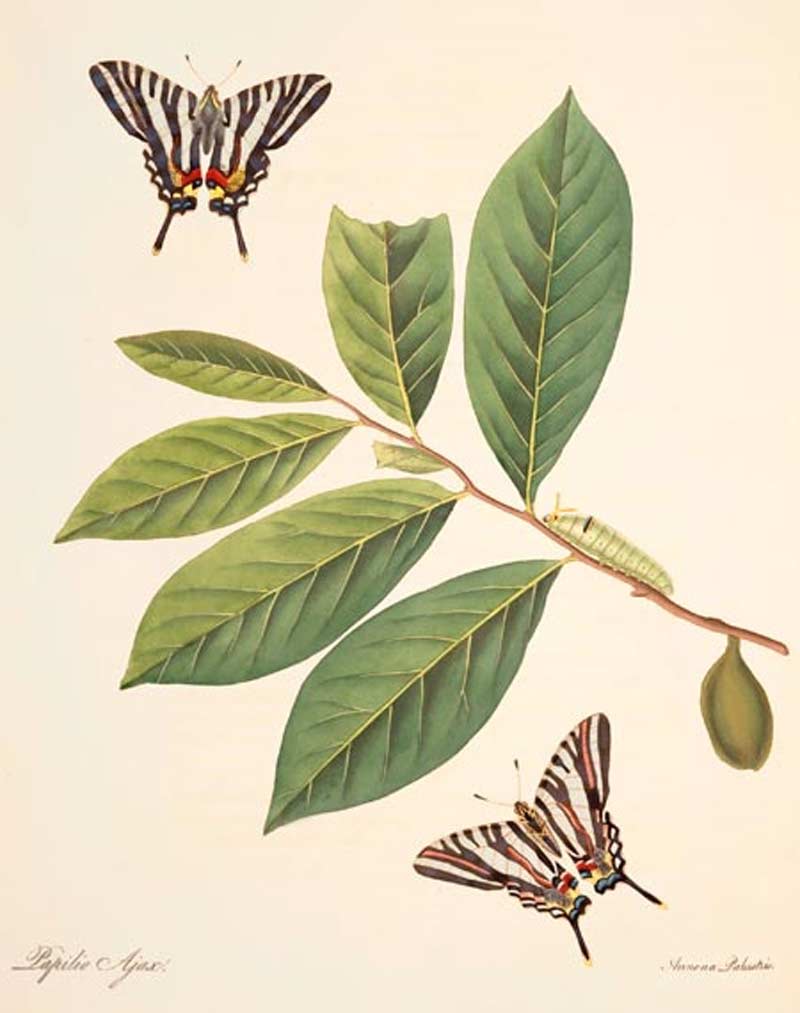
The zebra swallowtail butterfly depends on pawpaw leaves for its caterpillars, so you may spot their striking black-and-white flutter when near a pawpaw patch.
When to hunt pawpaws
Around Kansas City, fruit typically ripens early September through early October. Ripe fruit may stay green or go a little yellow with brown freckles. The best test: a gentle squeeze that leaves a slight dent and a fruity aroma. Many of the best pawpaws are the ones you find on the ground right beneath the tree. (Unripe pawpaws don’t ripen well off the tree, so don’t pick them hard and green.)
Where to go pawpaw foraging around the KC metro
Here are popular, nearby places with pawpaw habitat (please follow each site’s rules for foraging):
- Burr Oak Woods Conservation Area (Blue Springs): Shady trails, lots of bottomlands; foraging is allowed on MDC conservation areas for personal use, but not on nature center grounds.
- White Alloe Creek Conservation Area & Parkville Nature Sanctuary (Northland): Wooded slopes and creek bottoms.
- Kessler Park / Cliff Drive (Northeast KC): Historic bluffs and wooded pockets; folks often report pawpaw patches along the corridor.
- Indian Creek Trail (South KC into Johnson County): Long, shady greenway with moist low spots—prime pawpaw country along the creek.
- Hidden Valley Park & Maple Woods Natural Area (North KC/Gladstone): Steep, forested ravines; reports of pawpaws on wooded trails.
Prefer to taste before you trek? In peak weeks you’ll sometimes spot pawpaws at the City Market farmers market downtown.
How to harvest pawpaws
- Look, don’t yank. If it’s truly ripe, a light shake or a nudge usually brings it down. Many ripe fruits are already on the ground.
- Take only what you’ll use. Leave some for other foragers and area wildlife!
- Leave the tree unharmed. Don’t cut branches or strip leaves.
- Mind boundaries and signs. Trails cross different agencies; when in doubt, don’t pick.
Okay, I’ve got a few pawpaws—now what?
Chill them, slice lengthwise, pop out the shiny black seeds, and scoop the custardy pulp with a spoon. Eat it as-is, whirl it into smoothies, or freeze the pulp for ice cream, quick bread, cheesecake, or pie. Store ripe pawpaws in the fridge and use within a few days as they’re delicate and don’t travel well.
KC’s late-summer woods are full of small wonders, and pawpaws are one of the sweetest. If you go out hunting, snap a photo of your haul (or your best recipe) and share it with the neighborhood. Happy foraging!▪